
Every “lowest price on the web” listing looks identical right up until the code you paid for comes back invalid. The shoppers who never end up in that situation aren’t just lucky — they’re running the same handful of quick checks every single time, before the discount ever gets a chance to override their judgment.
Shopping for digital games, software, and other online content is a constantly moving target. There’s always a cheaper link floating around, a flash sale somewhere, or a marketplace claiming to beat everyone else’s price. But the risk attached to each of those offers varies just as much as the savings does. Rather than chasing the single lowest number on every listing, it’s far more useful to understand which parts of the digital marketplace are genuinely safe — and which ones are worth approaching carefully.
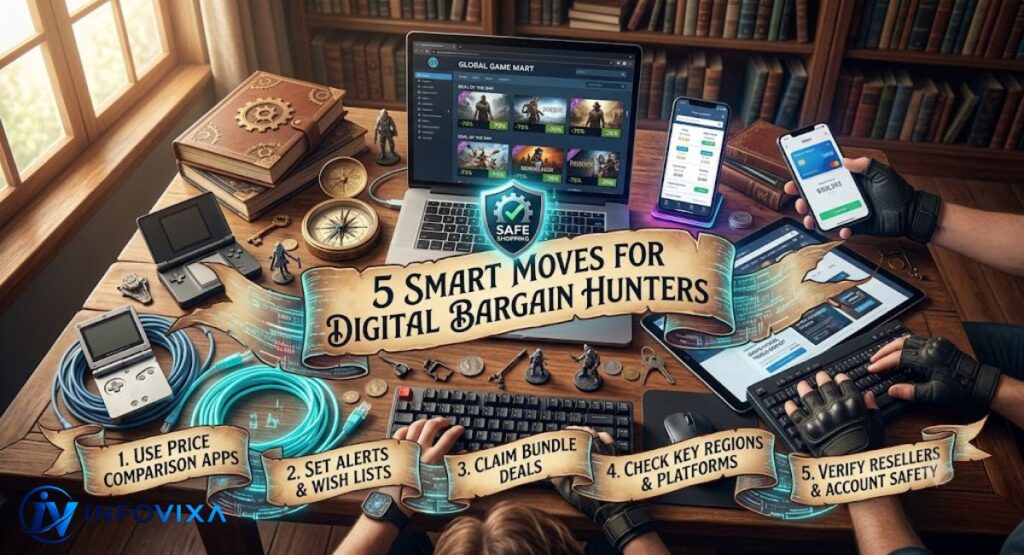
5 Smart Moves for Digital Bargain Hunters
Stick to Trusted Marketplaces With Seller Ratings
A listing can look like a great deal on the surface, but seller feedback tells the real story underneath it. The safer platforms display a visible rating or reputation score for each seller, so you can check their track record before spending a cent. That way, you’re buying from someone who actually stands behind what they’re selling, not just someone offering the lowest number on the page.
Double-Check Region and Platform Compatibility
Digital codes are frequently locked to specific regions or account types. Buy a code meant for the wrong country, or one built for a device you don’t own, and your purchase may simply refuse to work. Always check the listed region and platform details carefully. Marketplaces that display this information clearly upfront are doing you a real favor — it’s the first and easiest line of defense against wasting your money entirely.
Look for Fast Code Delivery and Instant Access
Few things ruin a good deal faster than a “fast delivery” code that turns into a multi-day wait, or worse, an email that never shows up at all. Quick, reliable delivery isn’t a nice-to-have for serious digital shoppers — it’s close to mandatory. Marketplaces that deliver instantly and confirm the purchase in your account history tend to be far more trustworthy than ones that leave you guessing.
Understand Why Digital Codes Sometimes Sell So Cheap
Digital codes often sell well below standard retail pricing for legitimate reasons — bulk purchasing deals, regional pricing differences, and promotional sourcing all let sellers offer genuine codes at a lower cost. Reputable digital marketplaces make this transparent, clearly showing region compatibility and delivery method so you know exactly what you’re paying for before you commit.
Use Built-In Support Channels
Good support isn’t just a backup plan for when something goes wrong — it’s part of what makes a marketplace trustworthy in the first place. Platforms offering live chat, ticket-based support, or a clear dispute process protect you if a code turns out to be invalid or doesn’t match its description. Fast access to a real support system is often what separates a genuinely reliable digital store from a risky one.
Red Flags That Should Slow You Down
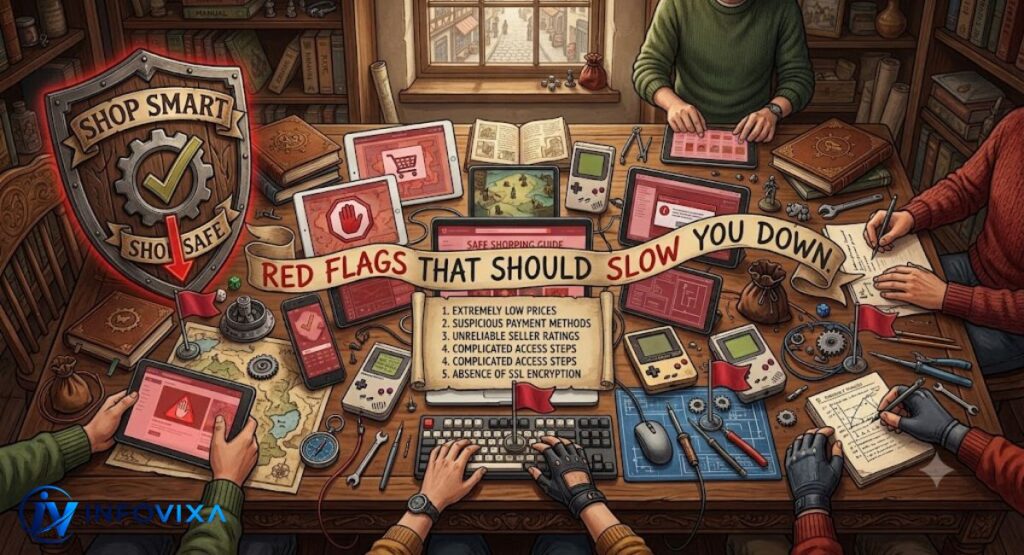
- No visible seller rating or history. A listing with zero track record is a listing you have no real way to verify.
- Vague or missing region information. If a listing doesn’t clearly state where the code actually works, assume it might not work for your account.
- Pressure to pay outside the platform. Legitimate sellers never need to move a transaction off-platform to complete a sale.
- Upsells for purchase “insurance.” Reputable marketplaces typically already build buyer protection into the price — a separate paid add-on is often unnecessary.
Safe Shopping Habits Digital Buyers Swear By
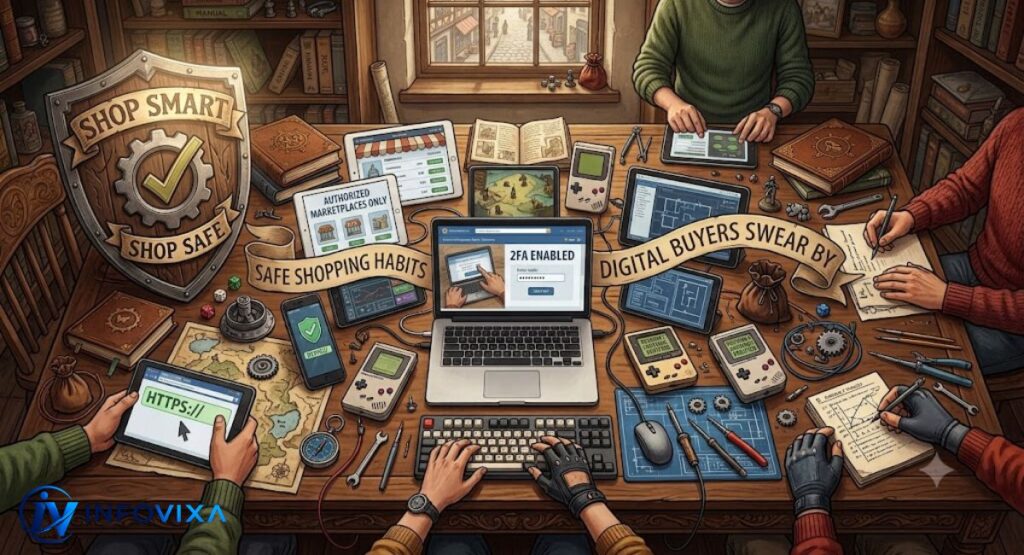
A quick scan of a seller’s rating and region labels beats a frantic last-minute search asking “is this code legit?” Pay attention to the checkout process itself — reliable sellers confirm your payment and deliver the code along with all relevant details directly into your purchase history, with no mysterious delay or vague follow-up email. Skip the add-on upsells or “insurance” offers that reputable platforms typically already include as standard. That same discipline applies whether you’re comparing prices on a big-name release or hunting down a smaller, niche title.
Verifying a Marketplace in Under a Minute
- Check the seller rating first. A visible score backed by real transaction history is always more trustworthy than an unrated, brand-new listing.
- Confirm the region tag matches your account. This single check alone prevents most failed redemptions before they ever happen.
- Scan for a support or dispute link. If it’s missing entirely, treat that as a warning sign rather than a minor oversight.
- Compare the price against at least one other listing. A price dramatically lower than every competitor deserves a closer look, not an instant checkout.
Verified Marketplace vs. Random Reseller
| Factor | Verified Marketplace | Random Reseller or Forum Post |
| Seller Screening | Ongoing verification and monitoring | None — you’re taking their word for it |
| Region Labeling | Clearly shown before purchase | Often unclear or missing entirely |
| Delivery Speed | Near-instant, tracked in purchase history | Inconsistent, sometimes fully manual |
| Support if Something Fails | Dedicated dispute and resolution process | Little to no real recourse |
There’s no real reason to gamble with a digital purchase when the checks above take less than a minute. Buyers who stay consistent about these five habits rarely end up with the kind of “too good to be true” horror stories that circulate around digital marketplaces.
Common Payment Methods and Their Safety Trade-Offs
Not every payment method offers the same level of protection when something goes wrong with a digital purchase. Credit cards generally offer the strongest built-in dispute process, since most card issuers allow you to formally contest a charge if a code never arrives or turns out to be invalid. Digital wallets fall somewhere in the middle — protection varies depending on the provider, but many still offer some form of buyer resolution process. Direct bank transfers and cryptocurrency payments, on the other hand, typically offer little to no built-in recourse once a payment has gone through, which makes them considerably riskier for one-off purchases from unfamiliar sellers.
How to Spot a Fake or Scam Listing Before You Buy
Scam listings tend to share a handful of common warning signs once you know what to look for. Prices that sit dramatically below every other listing for the same product are one of the biggest tells — legitimate discounts exist, but an outlier that’s far cheaper than everything else usually isn’t a coincidence. Listings with stock photos instead of actual product screenshots, sellers with accounts created only days ago, and descriptions riddled with vague or inconsistent details are all worth treating with extra caution. When in doubt, a quick search for the seller’s name alongside the word “scam” or “reviews” often surfaces useful information within seconds.
What to Do If You Receive an Invalid Code
Even careful buyers occasionally run into an invalid or already-used code, so it helps to know the right next steps. Start by taking a screenshot of the code, the error message, and your original order confirmation — this documentation makes any dispute process considerably smoother. Contact the marketplace’s support channel directly rather than the individual seller first, since most verified platforms have a formal resolution process built for exactly this situation. If the platform offers a buyer protection guarantee, this is the point where it typically kicks in, often resulting in a replacement code or a full refund within a reasonable timeframe.
Frequently Asked Questions
Why are some digital game codes so much cheaper than retail price?
Bulk purchasing, regional pricing differences, and promotional sourcing all allow third-party sellers to offer legitimate codes below standard retail pricing.
What’s the fastest way to tell if a marketplace listing is trustworthy?
Check the seller’s rating and transaction history, confirm the region tag matches your account, and look for a visible support or dispute channel before completing payment.
Should I buy insurance add-ons offered at checkout?
Usually not — reputable marketplaces typically already include buyer protection as part of their standard service rather than as a separate paid extra.
Is it safe to buy digital codes from third-party resellers instead of official stores?
It can be, as long as the reseller has a visible rating, clear region information, and a real support channel — the safety comes down to the specific seller, not the reseller model itself.
What should I do if a seller asks me to pay outside the platform?
Avoid it. Legitimate sellers never need to move a transaction off-platform, and doing so removes any buyer protection the marketplace would otherwise provide.
Can I get a refund if a digital code doesn’t work?
On most verified marketplaces, yes — as long as you report the issue promptly and provide documentation like screenshots of the code and any error messages.
Conclusion
Buying digital games and tools online doesn’t have to feel like a gamble, even with how many marketplaces and third-party sellers are out there competing for the lowest price. The difference between a smooth purchase and a frustrating refund process usually comes down to a handful of quick habits — checking seller ratings, confirming region compatibility, and making sure a real support channel actually exists before you commit to a purchase.
None of these checks take more than a minute or two, but skipping them is exactly how buyers end up with invalid codes, region-locked purchases, or no real way to resolve the problem afterward. Build these habits into your routine every time you shop, and the lowest price on the page stops being the only thing that matters — it becomes just one part of a purchase you can actually trust.
Read More : Why PlayMyWorld Gaming is a must to try